Forge Font for Web Design
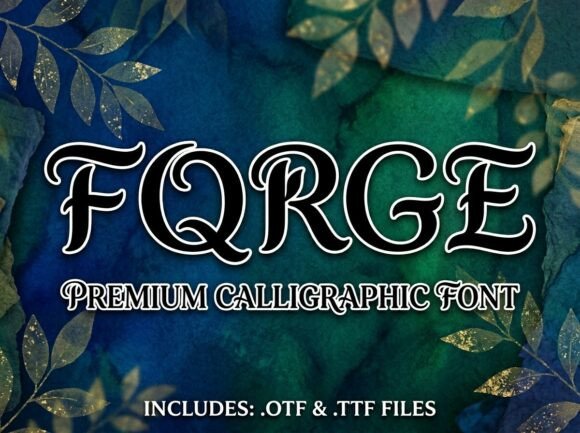
Forge is a striking display font that commands attention with its bold artistic elements and distinctive visual character. Designed for digital creators, this font brings a strong personality to web design, making it ideal for headers, logos, and other high-impact typographic needs. Whether you're working on a creative portfolio, an online store, or a landing page, Forge adds a layer of sophistication and style that elevates your digital presence.
Forge for Hero Sections and Website Headers
Forge shines in hero sections and website headers where it can immediately capture the viewer's eye. Its unique stroke variations and decorative flourishes make it perfect for creating a memorable first impression. When used as a headline font, Forge sets the tone for the entire site, reinforcing brand identity and guiding user engagement. For example, a creative agency might use Forge for their main heading to reflect a modern, artistic brand voice.
When implementing Forge in header designs, consider its readability on different screen sizes. On mobile devices, ensure that the font remains legible without sacrificing its visual impact. Pairing it with a clean sans serif font for subheadings can help balance the composition while maintaining a cohesive design language.
Forge for Call-to-Action Buttons and Interactive Elements
While Forge is primarily a display font, it can also be used effectively in call-to-action buttons and interactive elements when used sparingly. Its bold strokes and artistic flair add a sense of energy and creativity to buttons, making them stand out from standard typography. However, it’s important to limit its use to short phrases such as “Get Started” or “Join Now” to maintain clarity and usability.
On dark backgrounds or image overlays, Forge can still perform well if the contrast is properly adjusted. Use it in conjunction with a solid background color or subtle gradient to ensure the text remains readable. This approach works especially well for landing pages and product promotions where visual hierarchy is key.
Forge for Brand Identity and Logo Design
Forge is an excellent choice for logo design and brand identity projects where a strong, memorable typeface is needed. Its artistic elements allow for customization and adaptability, making it suitable for both digital and print applications. A boutique online store, for instance, could use Forge in its logo to convey a sense of craftsmanship and exclusivity.
When using Forge in logos, consider how it will scale across different platforms. Ensure that the font maintains its integrity at smaller sizes and in various formats. Including alternate glyphs or stylistic sets can add flexibility, allowing designers to tailor the font to specific brand requirements.
Forge for Creative Portfolios and Digital Showcases
For creative portfolios and digital showcases, Forge can serve as a powerful tool for emphasizing key content. Whether it’s a designer’s name, a project title, or a tagline, using Forge in these areas helps create a visually compelling narrative. Its ability to draw attention makes it ideal for highlighting work in a way that feels both professional and artistic.
Pairing Forge with a simple serif or sans serif font for body copy ensures that the overall design remains balanced and easy to read. This combination is particularly effective for portfolio sites where clarity and aesthetics are equally important.
Forge for Online Stores and E-commerce Branding
In e-commerce, Forge can be used to create a unique and engaging shopping experience. Its decorative elements add a touch of personality to product titles, banners, and promotional messages. For a handmade jewelry store, for example, Forge can reinforce the brand’s artisanal identity, making the site feel more authentic and inviting.
When using Forge in online stores, keep in mind that it should not interfere with the readability of product descriptions or pricing information. Use it for headings and decorative accents rather than for long blocks of text. This approach ensures that the font enhances the user experience without compromising functionality.
Forge for Blog Headers and Content Sections
Blogs and content-driven websites can benefit from using Forge in headers and section titles to create visual interest. Its strong personality helps break up dense text and guide readers through the content. A lifestyle blog, for instance, might use Forge for its main article titles to add a sense of elegance and professionalism.
However, it’s important to use Forge strategically. Overusing it can lead to a cluttered look and reduce readability. Limit its use to key headlines and ensure that the rest of the content is supported by a more neutral typeface for optimal reading experience.
Forge for Social Media Graphics and Digital Ads
Forge is highly effective in social media graphics and digital ads where visual impact is crucial. Its bold and artistic style makes it ideal for headlines, captions, and promotional messaging. Whether it’s for a Facebook ad or an Instagram post, Forge can help your content stand out in a crowded digital space.
When designing for social media, consider the platform’s guidelines and best practices. For example, on Twitter, using Forge in a profile banner or cover photo can reinforce brand recognition. On LinkedIn, it can be used in headlines for articles or posts to add a professional yet creative touch.
Forge for SaaS Landing Pages and Product Launches
SaaS companies and product launch pages often require a strong, attention-grabbing font to communicate value and innovation. Forge fits this need perfectly, offering a modern and dynamic look that aligns with tech-forward branding. It can be used in headlines, feature titles, and CTA buttons to create a cohesive and impactful design.
When integrating Forge into a SaaS landing page, focus on maintaining a clean layout. Use it for key messages and avoid overcomplicating the design with too many decorative elements. This approach ensures that the font enhances the user experience rather than detracts from it.
Forge for Commercial Use and Licensing
For web designers and digital creators, understanding commercial licensing is essential when using fonts like Forge. Ensure that the license covers all intended uses, including website deployment, client projects, and digital templates. Some fonts may require additional licenses for extended use or resale, so always review the terms carefully before incorporating Forge into a project.
When working on client websites or online stores, confirm that the font license allows for those specific applications. This step helps avoid legal issues and ensures that the design remains compliant and professional.