Liquid Unflow Font Review
It was a quiet afternoon, and I found myself staring at a blank blog header, searching for something that could capture the mood of the latest issue. The right font wasn’t just about style—it had to speak to the content, the brand, and the reader’s experience. That’s when I discovered Liquid Unflow, a display font that felt like it had been crafted for moments like this.
Liquid Unflow for Editorial Layouts and Brand Identity
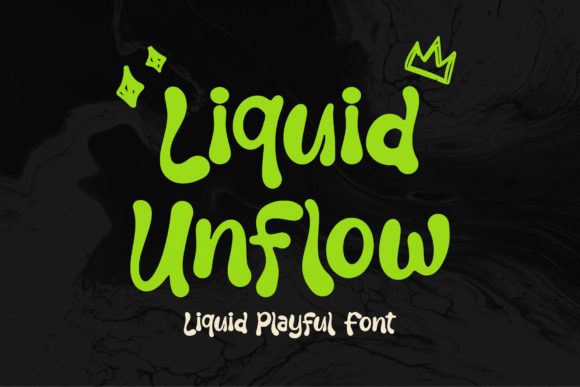
Liquid Unflow is more than a font—it’s a statement. Its fluid, heavy melting letterforms bring a sense of movement and energy that can elevate any editorial layout. Whether you're designing a lifestyle blog header or crafting a digital magazine cover, this typeface adds a layer of visual storytelling that resonates with readers. It’s not just about looking good; it’s about creating an emotional connection through typography.
As a designer who values both form and function, I found that Liquid Unflow excels in situations where boldness meets elegance. Its unique character makes it ideal for headlines, pull quotes, and section titles. But it also has a subtle rhythm that allows it to blend seamlessly into more structured layouts without overwhelming the reader.
Liquid Unflow for Recipe Ebooks and Printables
When I tested Liquid Unflow on a recipe ebook, the results were impressive. The font added a touch of sophistication to the title page while maintaining clarity for the reader. Its expressive nature made it perfect for chapter openers and key ingredient headings, giving each section a distinct personality without sacrificing readability.
For printable planners and worksheets, Liquid Unflow works well as a decorative accent or a focal point. It can be used for headers, subheadings, or even as a background element in low-opacity settings. However, it's best to pair it with a more neutral typeface for body text to ensure that the overall design remains legible and professional.
Liquid Unflow for Newsletter Headers and Social Graphics
Newsletters often rely on strong visual elements to grab attention, and Liquid Unflow delivers. When used as a header font, it adds a dynamic flair that stands out against more traditional designs. It’s especially effective for seasonal campaigns, promotional content, or themed issues where a bold, expressive look is desired.
Social media graphics benefit from its fluidity as well. Whether it’s a Facebook post, Instagram story, or Twitter header, Liquid Unflow brings a modern, artistic edge that feels fresh and engaging. It’s a great choice for brands looking to inject some personality into their online presence without compromising on clarity.
Liquid Unflow for Digital Magazines and Content Branding
In a digital magazine layout, Liquid Unflow can serve as a signature font that defines the publication’s tone. It works particularly well for feature pages, interviews, or editorial spreads where the visual impact is as important as the content itself. Its ability to convey emotion through shape and flow makes it a powerful tool for content branding.
However, it’s important to consider the context. While Liquid Unflow shines in short-form content, it may not be the best choice for long paragraphs or dense text blocks. For such cases, pairing it with a readable serif or sans serif font ensures that the overall design remains accessible and easy to navigate.
Liquid Unflow for Wedding Guides and Creative Projects
Wedding guides often require a balance between elegance and expressiveness, and Liquid Unflow fits that need perfectly. It can be used for title pages, section headers, or decorative accents that add a touch of sophistication without being overpowering. Its fluid forms give a sense of movement that complements the romantic and celebratory nature of wedding content.
For creative projects like coaching workbooks or printable planners, Liquid Unflow offers a versatile option that can be adapted to different styles. Whether you’re designing a minimalist layout or a more elaborate one, the font provides a strong visual anchor that supports the overall design intent.